Size and feel
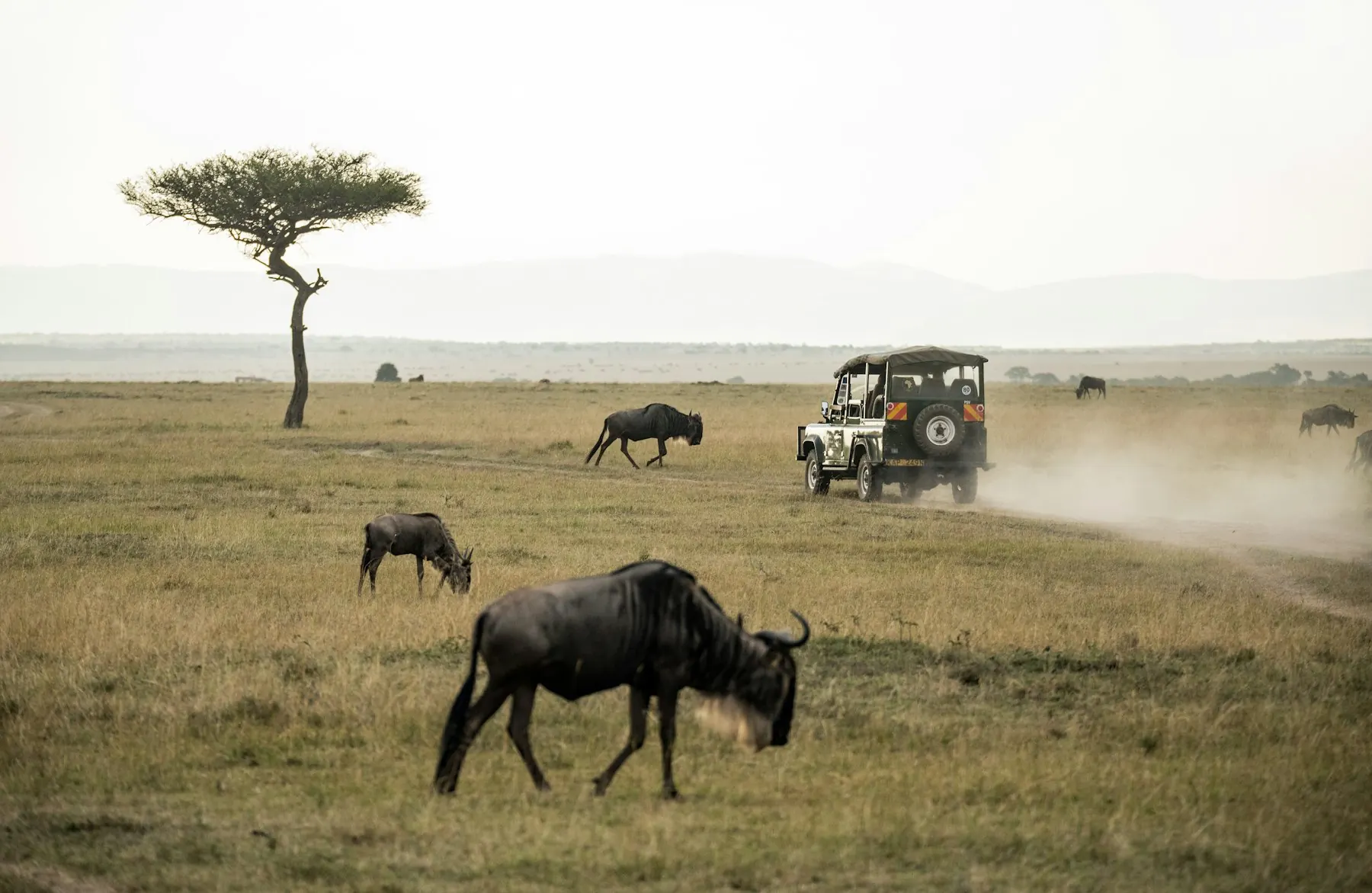
The Serengeti is enormous, roughly 15,000 square kilometres, and it feels it. You can drive for an hour across open plain without seeing another vehicle. That space is its defining quality.
The Masai Mara reserve is around 1,500 square kilometres, a tenth of the size, with a higher density of animals per square kilometre and rolling, photogenic country cut by the Mara and Talek rivers. It is more intimate and more efficient: you see more in less driving.
Getting there
The Mara is five to six hours by road from Nairobi, or a 45-minute light aircraft hop. That accessibility is the single biggest practical advantage it has, and it is why a four-day Kenyan safari is possible at all.
The Serengeti is reached from Arusha, usually via the Ngorongoro Crater, and the drive is long. Most Serengeti itineraries either accept a full day of driving each way or fly one leg. Either adds cost and time.
Cost
Tanzania is the more expensive country to safari in. Park fees are higher, concession fees apply in many areas, and the distances push up vehicle and fuel costs. A comparable week in the Serengeti typically costs meaningfully more than the same week in the Mara.
If budget is a real constraint and this is your first safari, Kenya gives you more wildlife per dollar. If cost is not the deciding factor, the Serengeti's space is worth paying for.
The migration in each
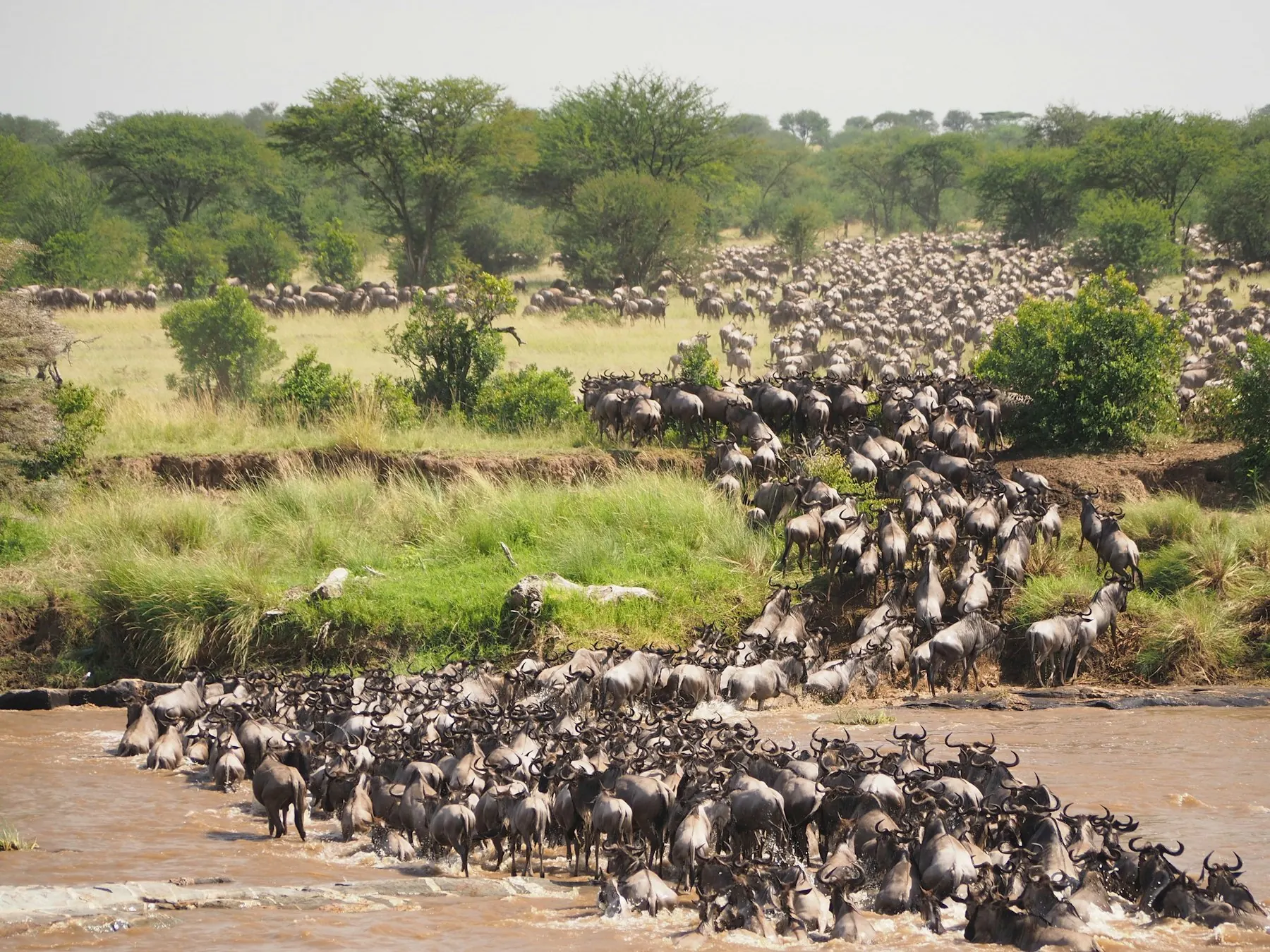
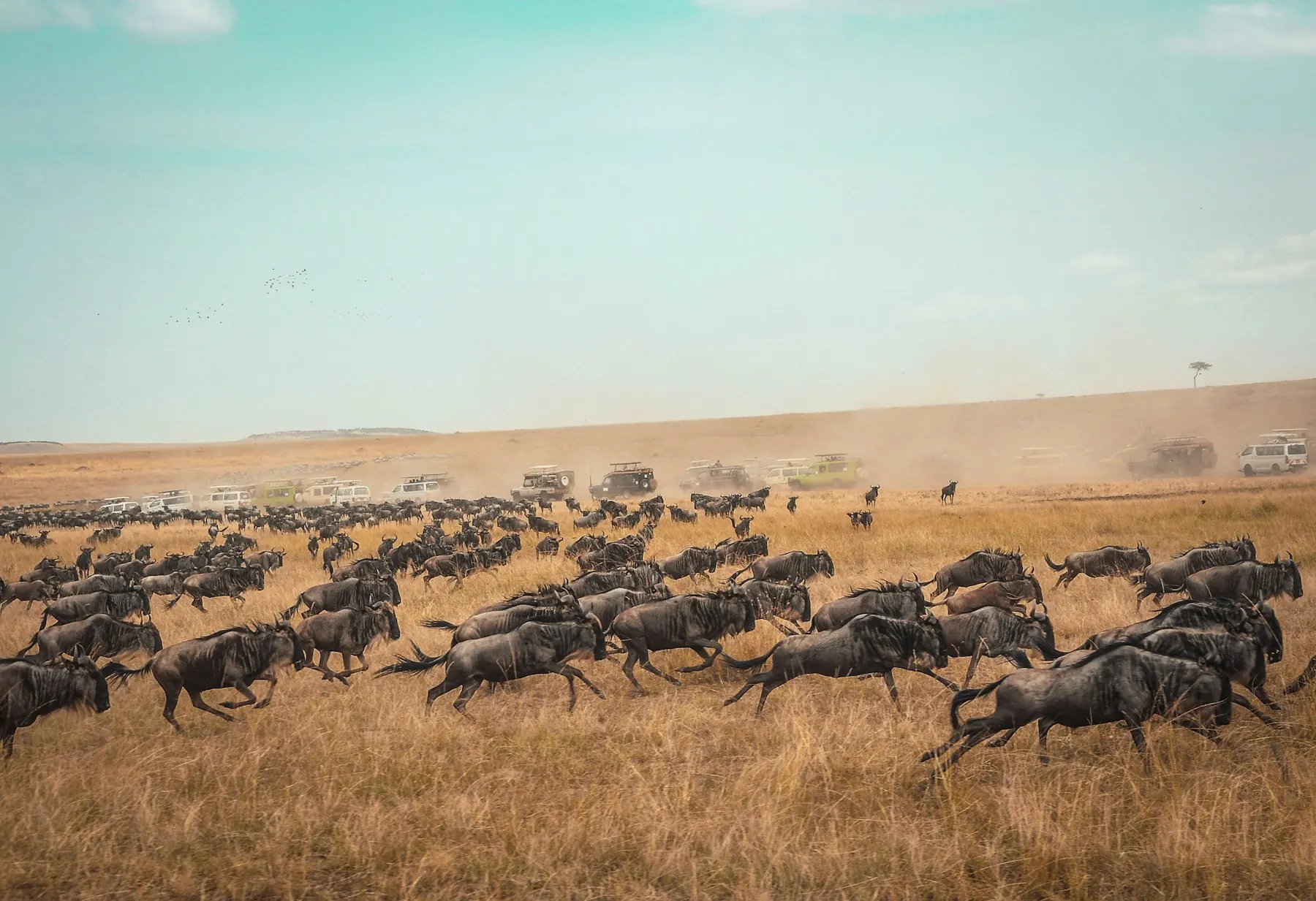
The herds spend most of the year in Tanzania and a few months in Kenya. Calving on the southern Serengeti plains runs from late January to March. The move north and west runs through April to June. The Mara River crossings, in both the Northern Serengeti and the Masai Mara, run from roughly late July to early October.
So the honest answer on migration is seasonal: from January to June, the Serengeti. From July to October, either, with the Mara easier to reach and the Northern Serengeti quieter.
Crowds and conservancies
The popular parts of the Mara Reserve in August can be busy, and it is fair to say so. Kenya's answer is the conservancy system: private areas on the reserve's boundary with strict vehicle limits, where you can find yourself alone at a leopard sighting in peak season, and where off-road driving and night drives are permitted in ways the reserve does not allow.
The Serengeti manages crowding through sheer size instead. The central Seronera area gets busy; the north and the far south do not.
What each one is best at
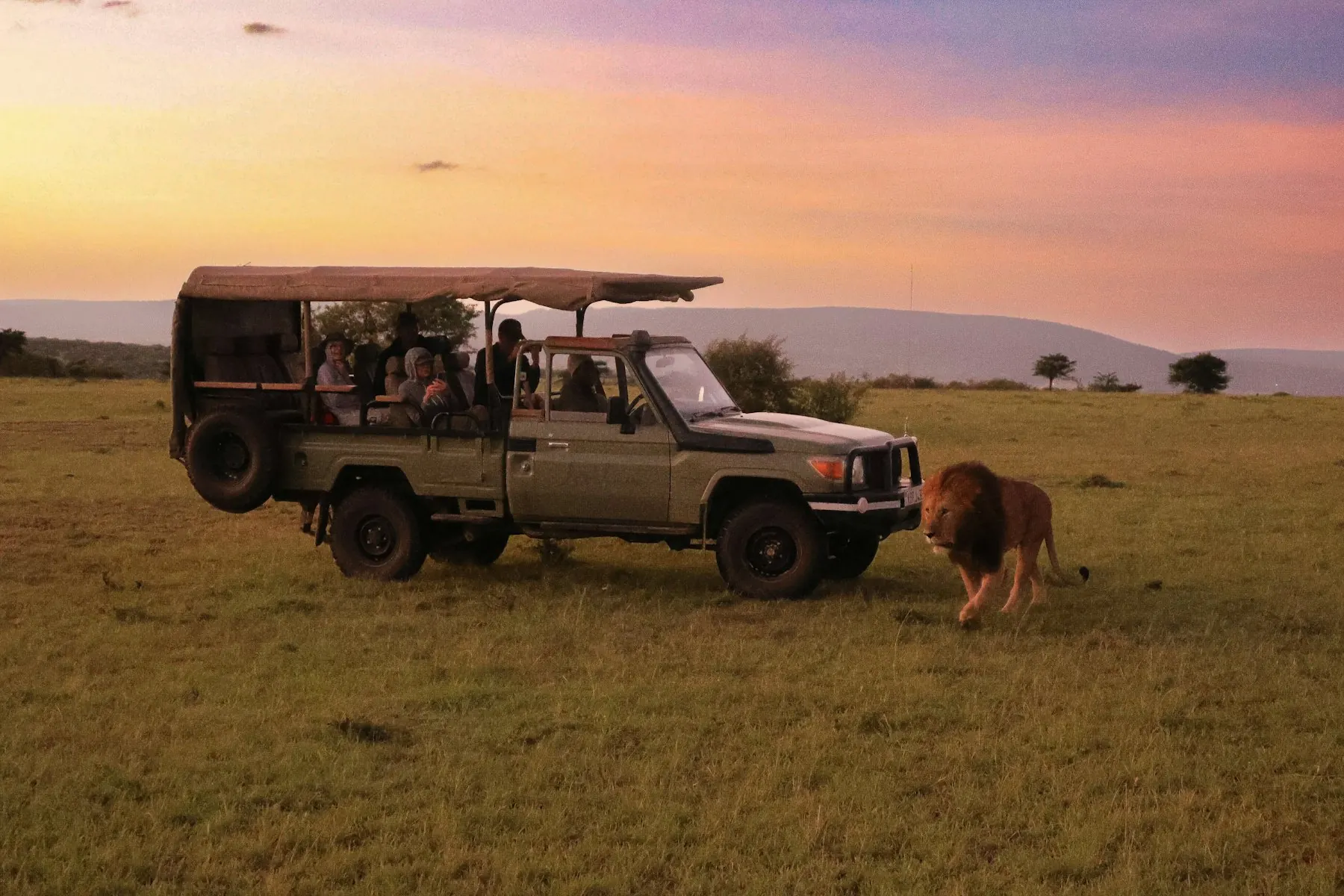
- Big cats at close range with short driving days: the Masai Mara.
- Space, silence and a sense of wilderness: the Serengeti.
- A short trip of four to six days: the Masai Mara, comfortably.
- Calving season and newborn predators, January to March: the southern Serengeti.
- Balloon flights: both, and both are excellent.
- Value for a first safari: the Masai Mara.
- A second safari when you already know what you like: the Serengeti.
Or do both
Our cross-border routes run the Mara and the Serengeti in one trip, usually with the Ngorongoro Crater in between, over eight to twelve days. It is more driving and more expensive than either country alone, and it is the strongest single itinerary in East Africa if you have the time.
What we would not do is squeeze both into a week. That produces two rushed parks and a lot of road, and most people would rather have one park properly.