
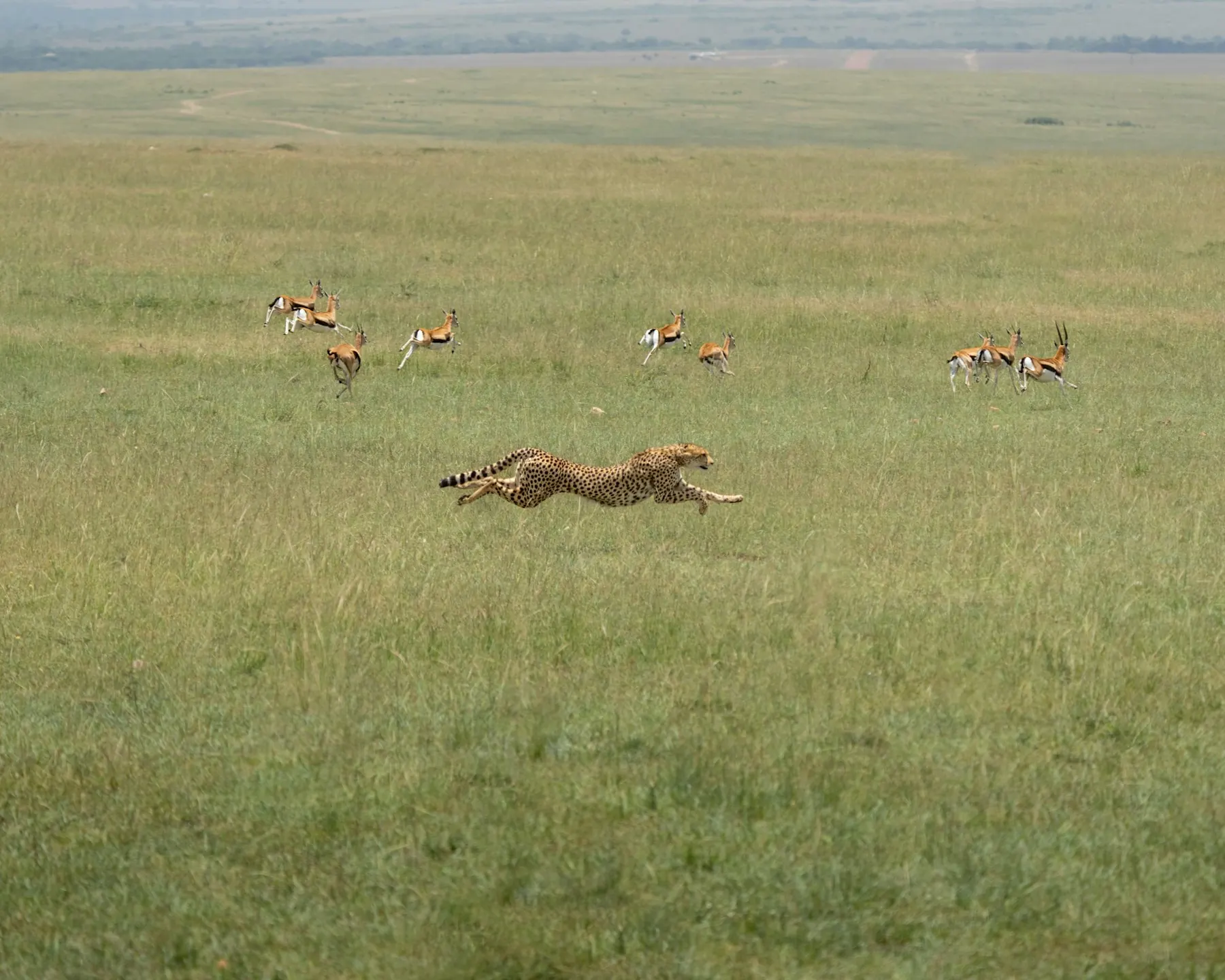
About Masai Mara
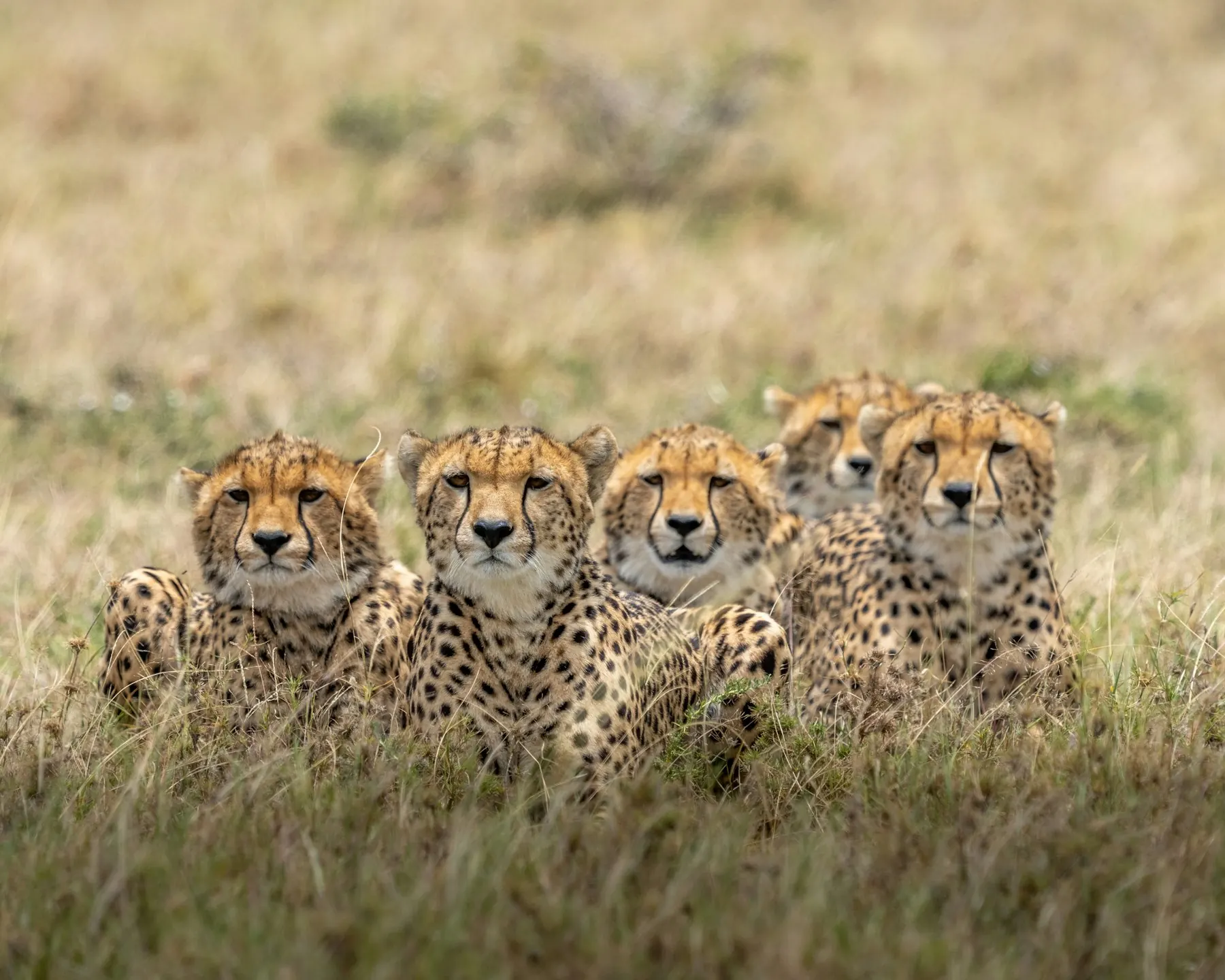
The Masai Mara National Reserve is the northern end of the Serengeti ecosystem and the reserve most people picture when they think of a Kenyan safari: rolling grassland, flat-topped acacias and some of the highest densities of lions, cheetahs and leopards anywhere in Africa.
Between roughly July and October the wildebeest migration is in the Mara and the river crossings run. The rest of the year the reserve is quieter, greener and still exceptional for cats, which do not migrate. Every one of our Kenya routes spends at least two nights here, because a single afternoon drive is not enough.
Known for
- The Great Migration and Mara River crossings
- Some of the highest big-cat densities in Africa
- Optional balloon safaris at dawn
- Maasai village visits
Wildlife you can expect
- Lion
- Cheetah
- Leopard
- Elephant
- Wildebeest
- Zebra
- Giraffe
- Buffalo
- Hippo
When to visit Masai Mara
- Jan – Feb
Dry and clear
Short grass, good visibility and newborn plains game keeping the predators busy.
Good time to go - Mar – May
Long rains
Green and quiet with afternoon storms. Lower rates, softer roads, few vehicles.
Quieter and cheaper - Jun – Oct
Migration season
The herds are in the Mara and the crossings are running. Busiest and best.
Our pick - Nov – Dec
Short rains
Brief showers, dramatic skies, migratory birds and far fewer vehicles.
Good time to go
Safaris that visit Masai Mara
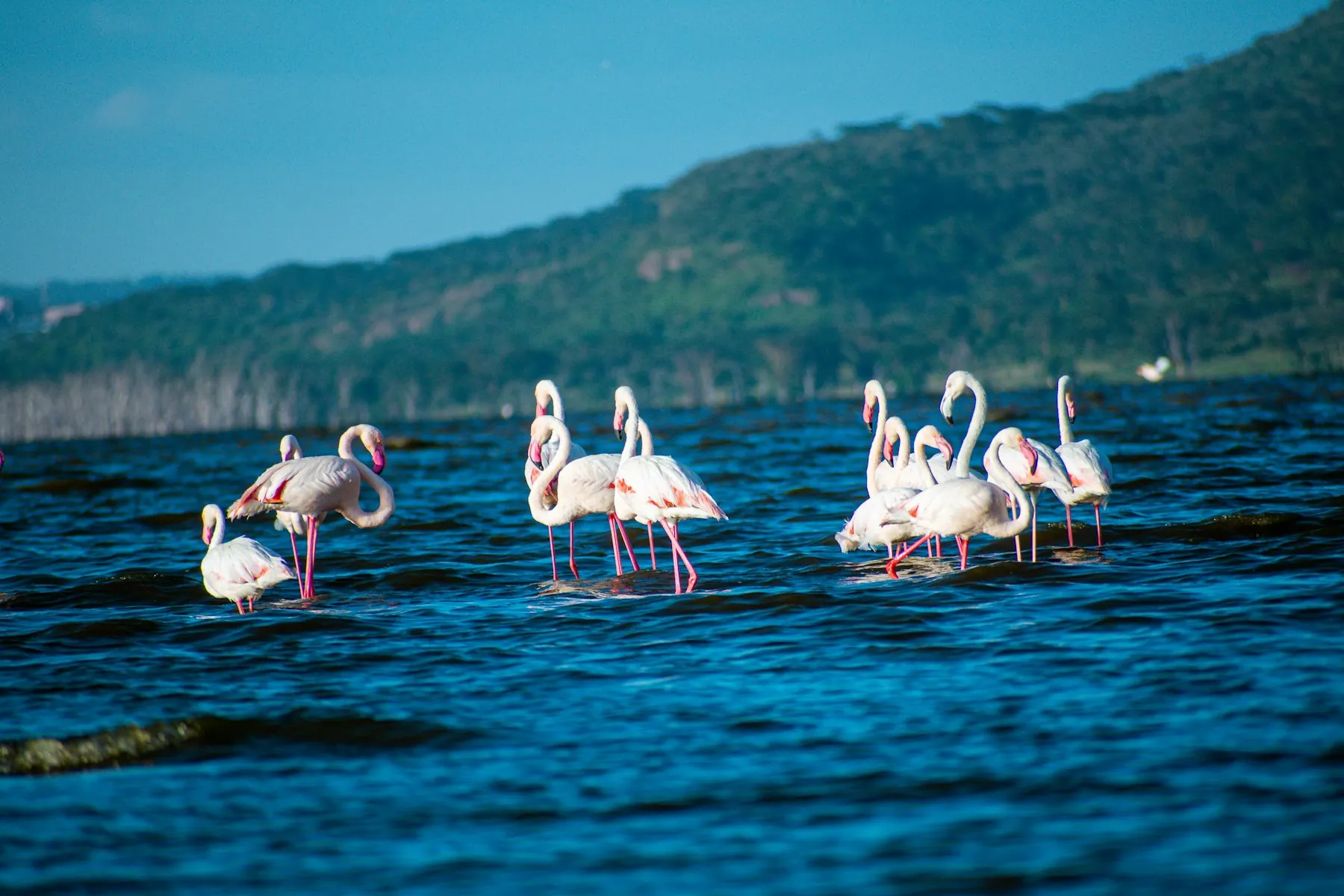
4 Day Lake Nakuru & Masai Mara Safari
4-day safari · Kenya
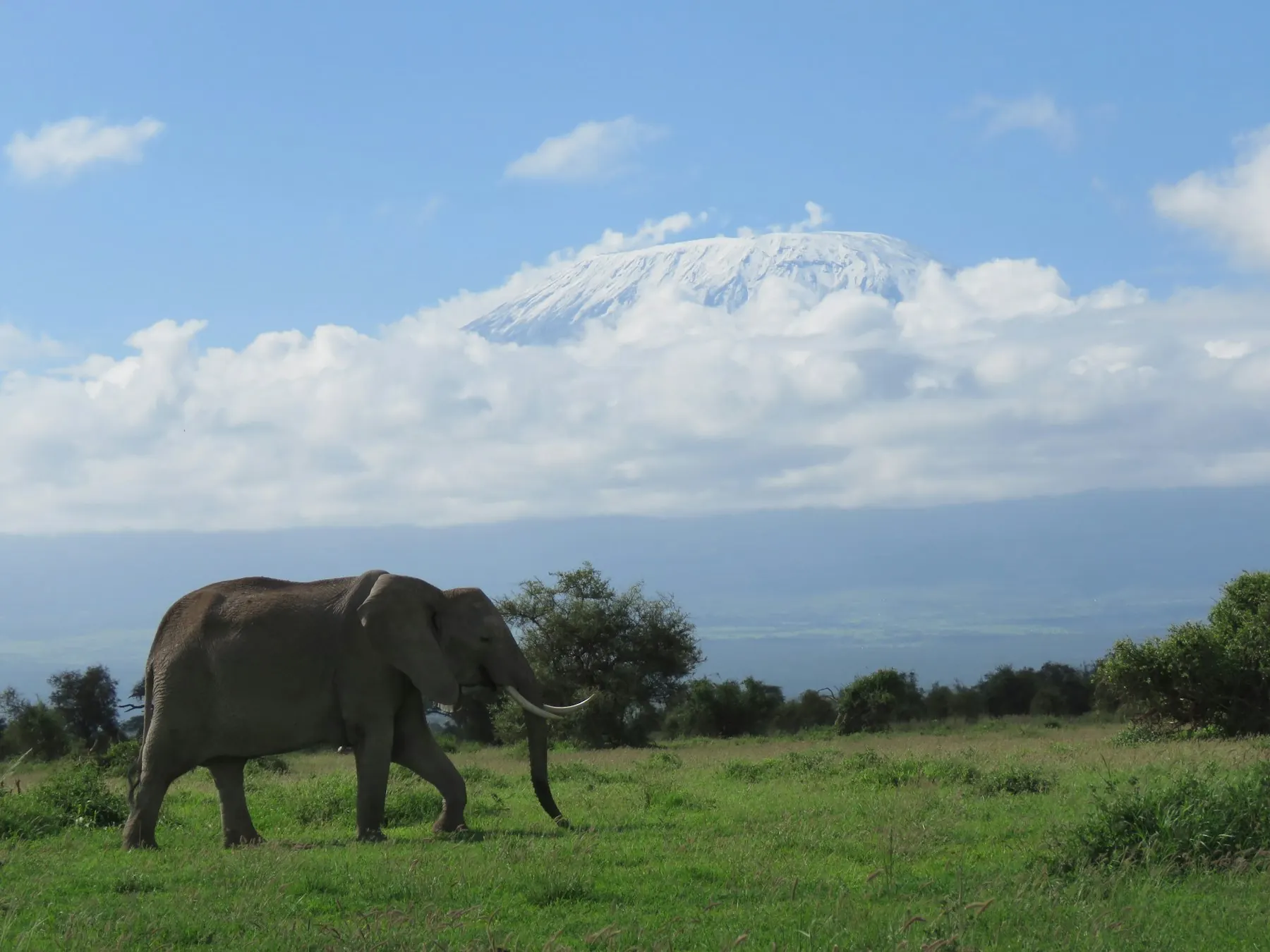
7 Day Magical Kenya Safari
7-day safari · Kenya
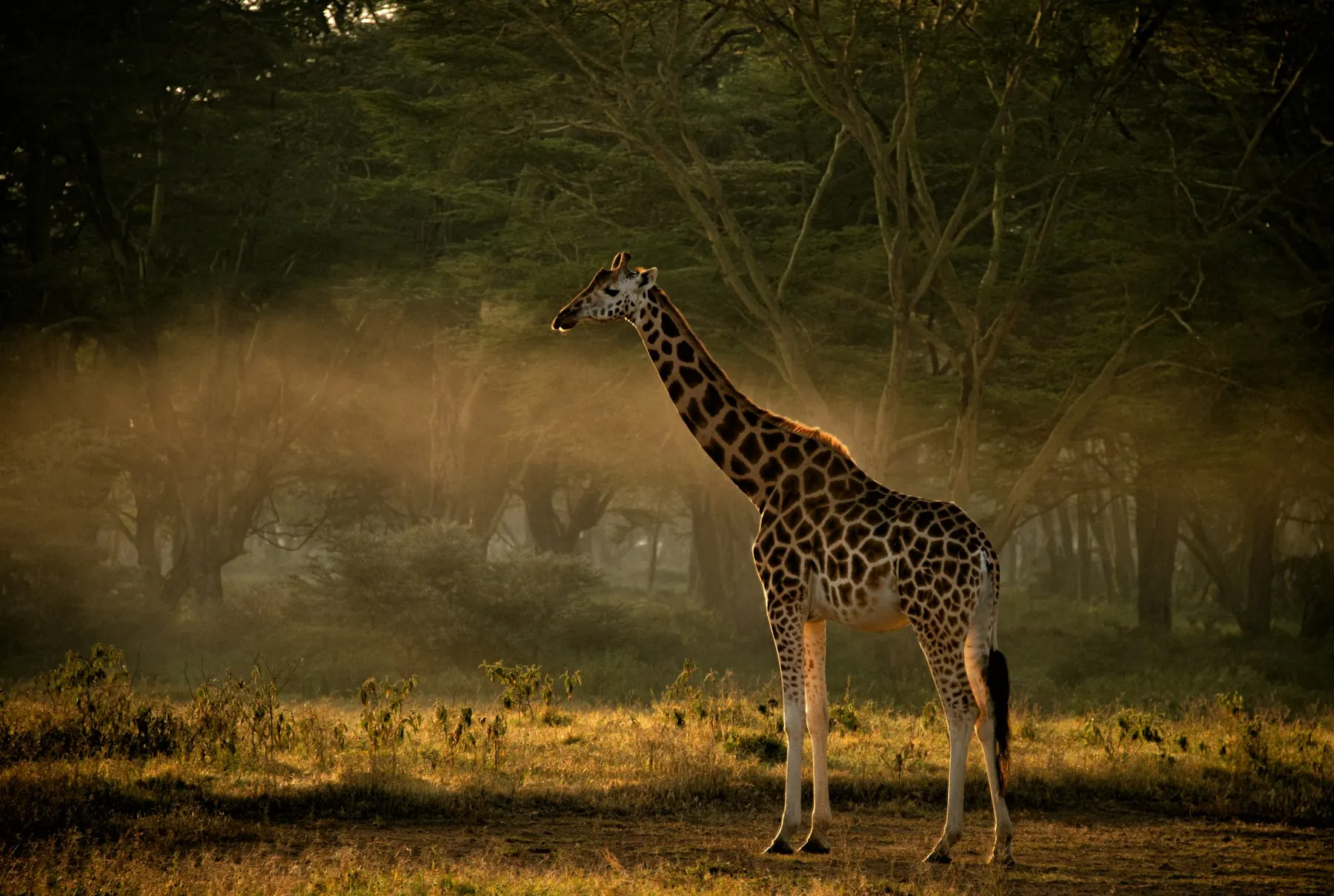
8 Day Essence of Kenya Safari
8-day safari · Kenya
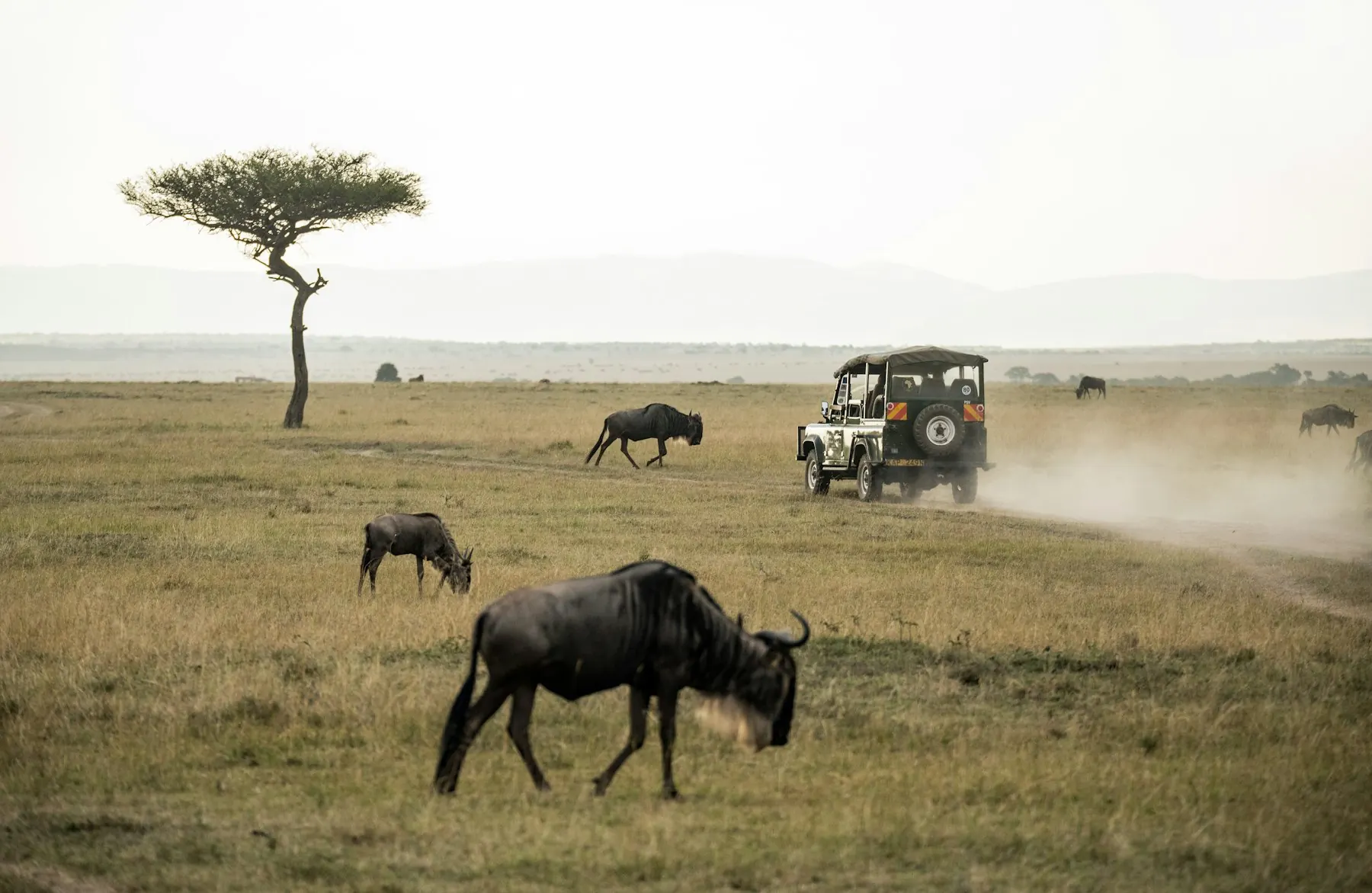
7 Day Ultimate Kenya & Tanzania Safari
7-day safari · Kenya & Tanzania
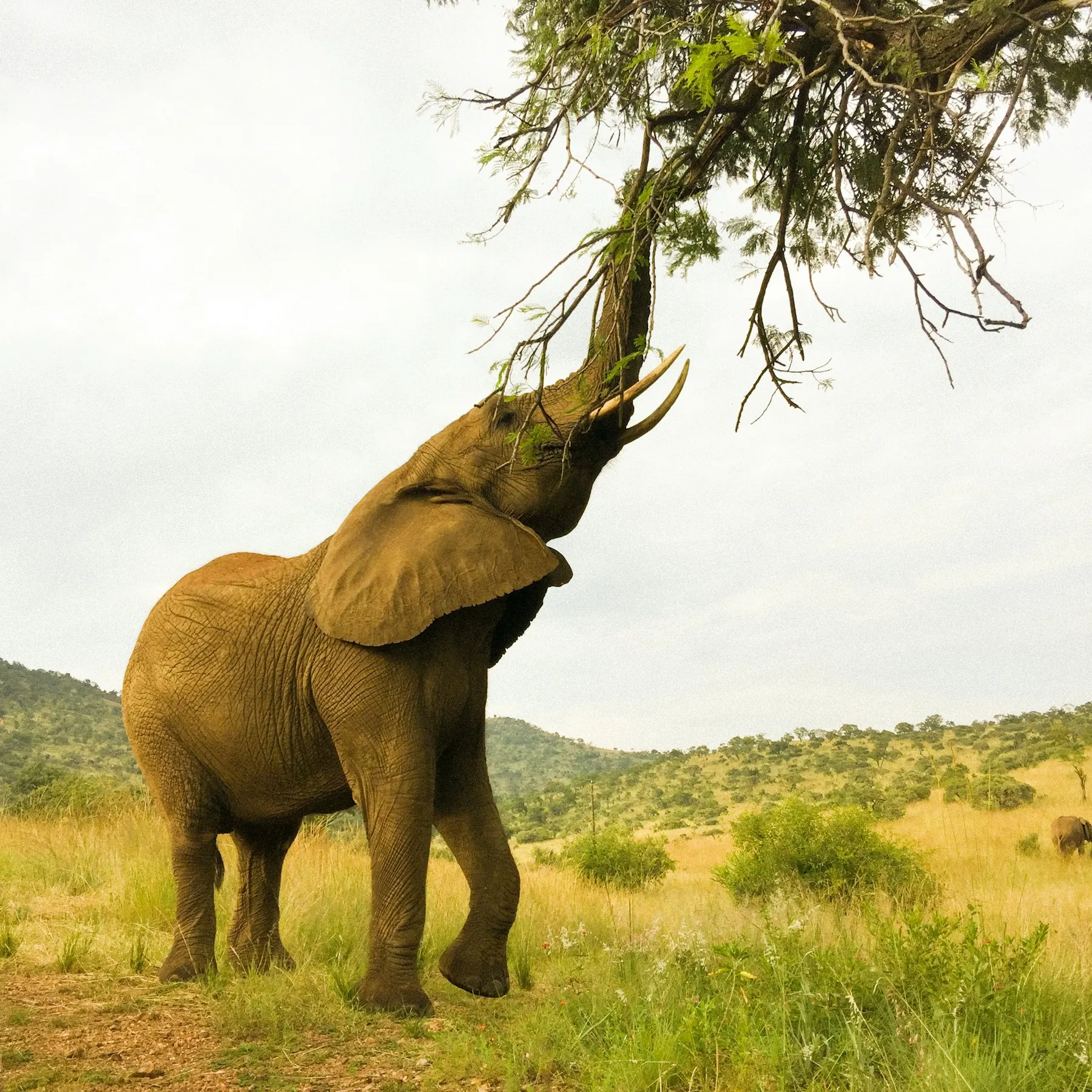
8 Day Kenya & Tanzania Safari
8-day safari · Kenya & Tanzania
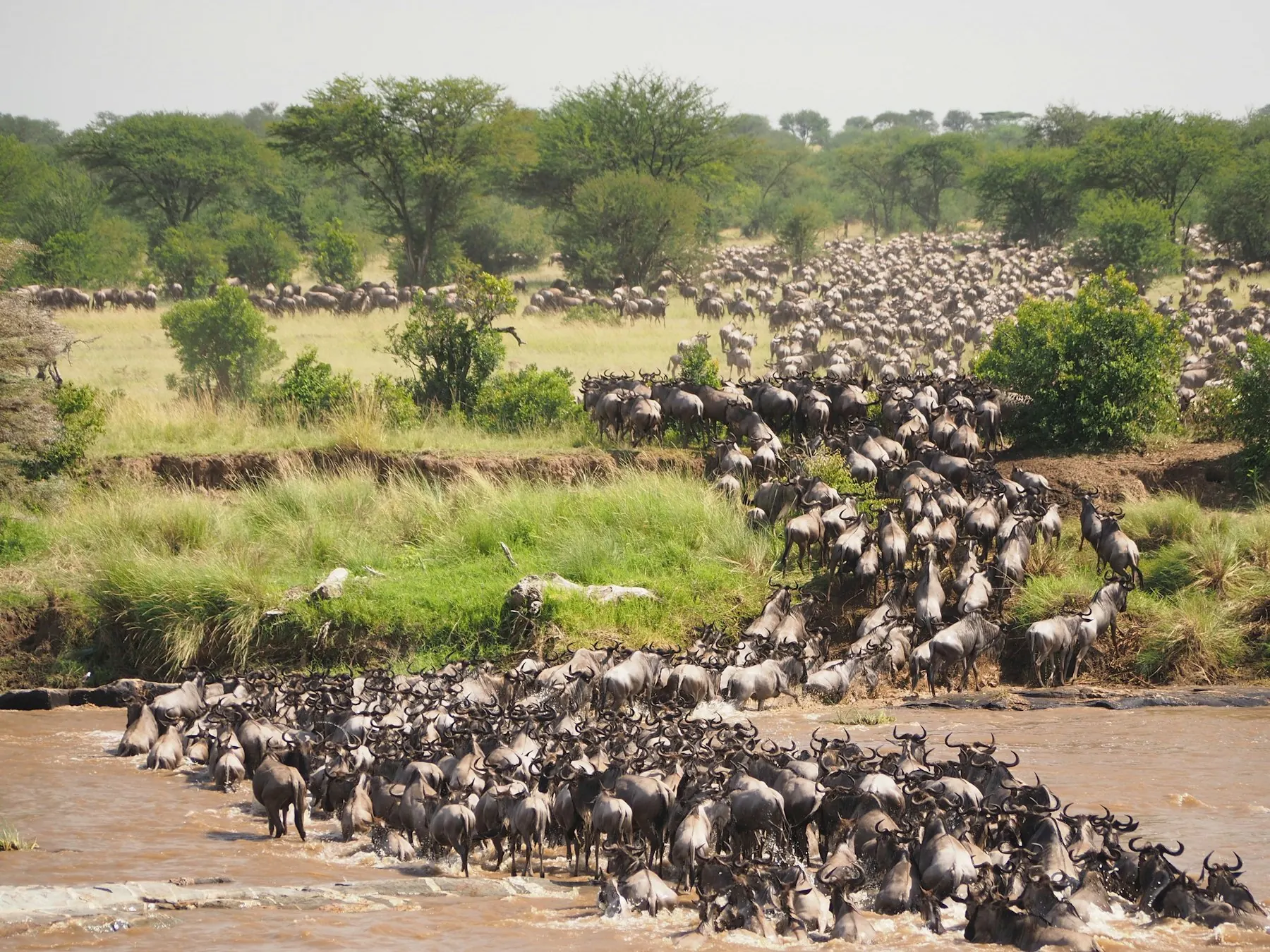
10 Day Kenya & Tanzania Safari
10-day safari · Kenya & Tanzania
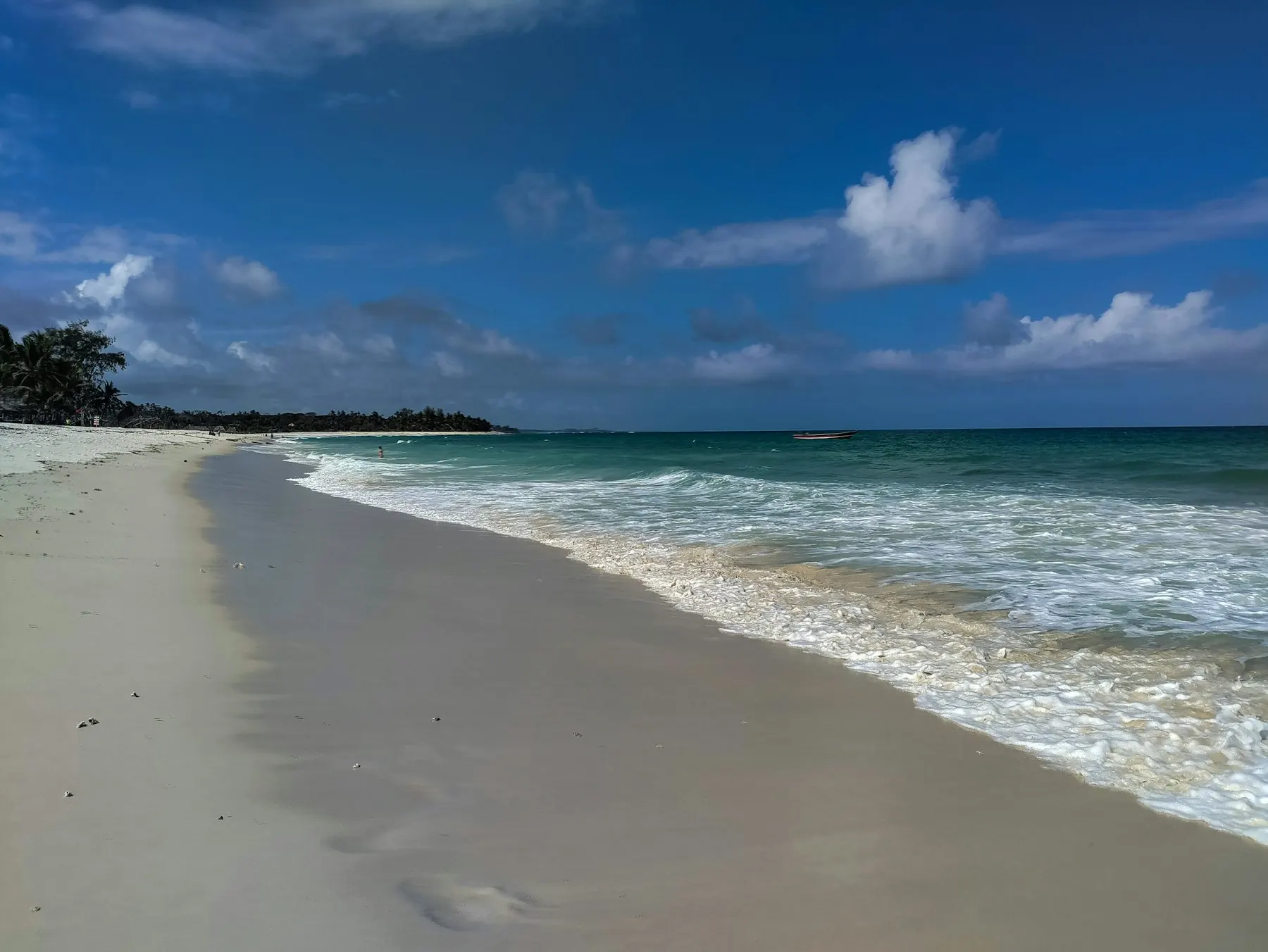
12 Day Game Safari & Beach Holiday
12-day safari · Kenya
Want Masai Mara on your route?
Send your dates and a rough idea of what you want to see. We come back with a day-by-day route and a quote, usually within one working day.