The four constraints that decide everything
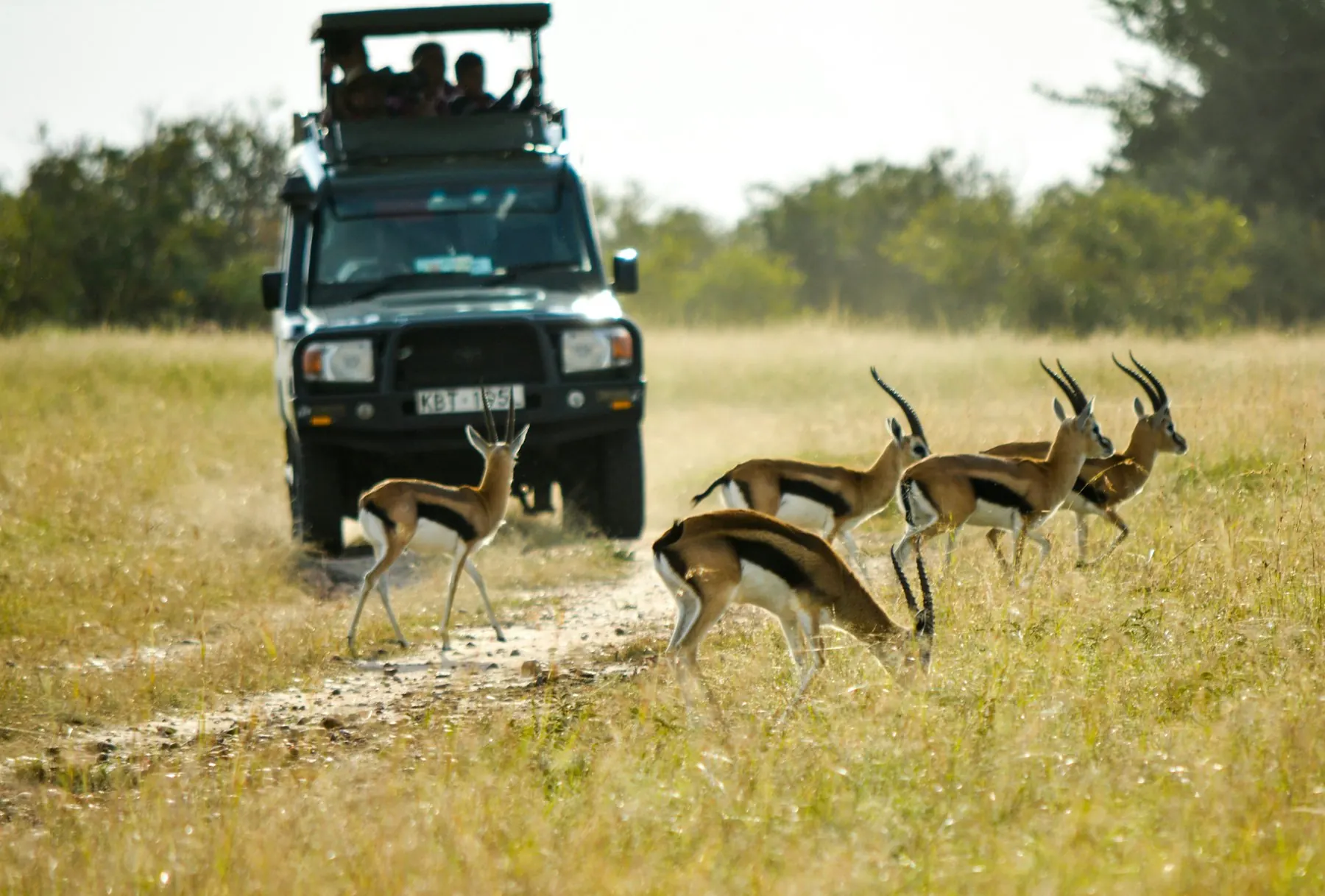
- Luggage limits. Light aircraft between the parks typically allow 15kg per person in a soft bag, including hand luggage. Road-only trips are far more forgiving, but soft bags still pack better in a safari vehicle.
- Temperature range. It can be 10C at dawn on the Mara and 30C by lunchtime. You need layers, not a single weight of clothing.
- Laundry. Most lodges do same-day or next-day laundry cheaply. You are packing for three or four days, not for two weeks.
- Dust. Everything in an open vehicle gets a fine red coat. Anything you cannot bear to have dusty should stay in the bag.
Clothing
On colours: avoid bright white, which shows dust immediately and is conspicuous in the bush. Avoid dark blue and black entirely if you are visiting tsetse fly country, which includes parts of Tsavo and the western reserves, because those colours attract them. Camouflage patterns are restricted in Kenya and should be left at home.
- Three or four neutral tops: khaki, olive, stone, grey. Long sleeves are cooler than they sound and keep sun and insects off.
- Two pairs of lightweight trousers. Convertible zip-off legs are practical if you can live with the look.
- One fleece or light down layer for the dawn drive. This is the item people most often skip and most often regret.
- A windproof outer layer. Open vehicles at 40kph are cold before sunrise regardless of the temperature.
- A wide-brimmed hat and proper sunglasses. The equatorial sun is stronger than the temperature suggests.
- Swimwear. Most lodges have a pool and you will use it at midday.
- One set of smarter clothes for a Nairobi dinner if your trip starts or ends with a night in town.
Footwear
Almost all game viewing happens from the vehicle, so you do not need serious hiking boots unless your itinerary includes a walking safari or a crater rim hike. A comfortable trainer or a light walking shoe covers the whole trip. Add sandals for the lodge and the pool.
Camera and optics
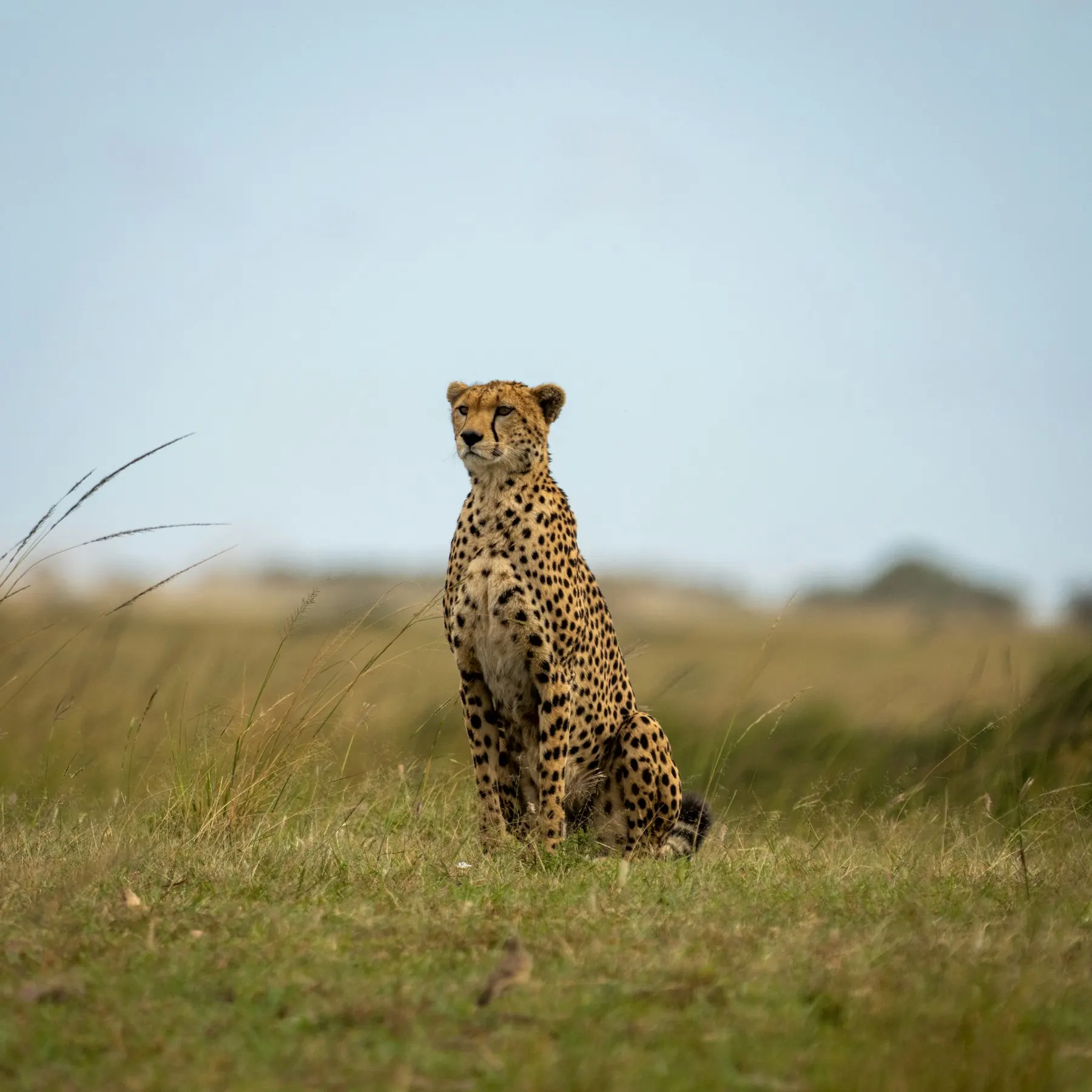
- A zoom reaching at least 200mm, ideally 400mm. Animals are further away than photographs suggest.
- Twice the memory cards and battery capacity you think you need. Charging happens at the lodge, not in the vehicle.
- A beanbag or a folded fleece to rest the lens on the roof hatch. Tripods are useless in a vehicle.
- A dust blower and a cloth. You will use both daily.
- Binoculars, one pair per person. Sharing a single pair is the most common regret we hear.
- A phone is fine for landscapes and camp life, and will disappoint you on wildlife at any distance.
Health and toiletries
Speak to a travel clinic six to eight weeks before you fly. Malaria prophylaxis is normally advised for the safari areas and the coast. Yellow fever vaccination is a requirement for entry from some countries, and is worth having documented regardless.
Bring insect repellent with DEET or picaridin, high-factor sunscreen, lip balm with sun protection, and a small personal first aid kit with any prescription medication in its original packaging. Pharmacies in Nairobi are good; pharmacies four hours from Nairobi are not.
Documents and money
- Passport valid for at least six months beyond your return date, with blank pages.
- Your Kenyan travel authorisation, arranged online before departure. Check the current requirement close to your travel date, because the system has changed more than once.
- Travel insurance including medical evacuation. This is not optional on a safari and we will ask you for it.
- US dollars in cash for tips and small purchases. Notes should be recent series and undamaged, because older notes are frequently refused.
- A card for lodge extras. Most lodges take cards; many small vendors do not.
What not to bring
Single-use plastic bags are illegal in Kenya and the ban is enforced at the airport. Repack anything that arrives in one before you fly, and use a fabric or dry bag instead.
Drones require permits that are difficult to obtain and are prohibited in national parks without them. Assume you cannot fly one.
Camouflage clothing is restricted. Hard-shell suitcases are a genuine problem on light aircraft. And nothing you own needs to come out of the bag between parks except the day bag you keep at your feet.
Repack anything in a single-use plastic bag before you fly. The ban is enforced on arrival.