Ages and what changes
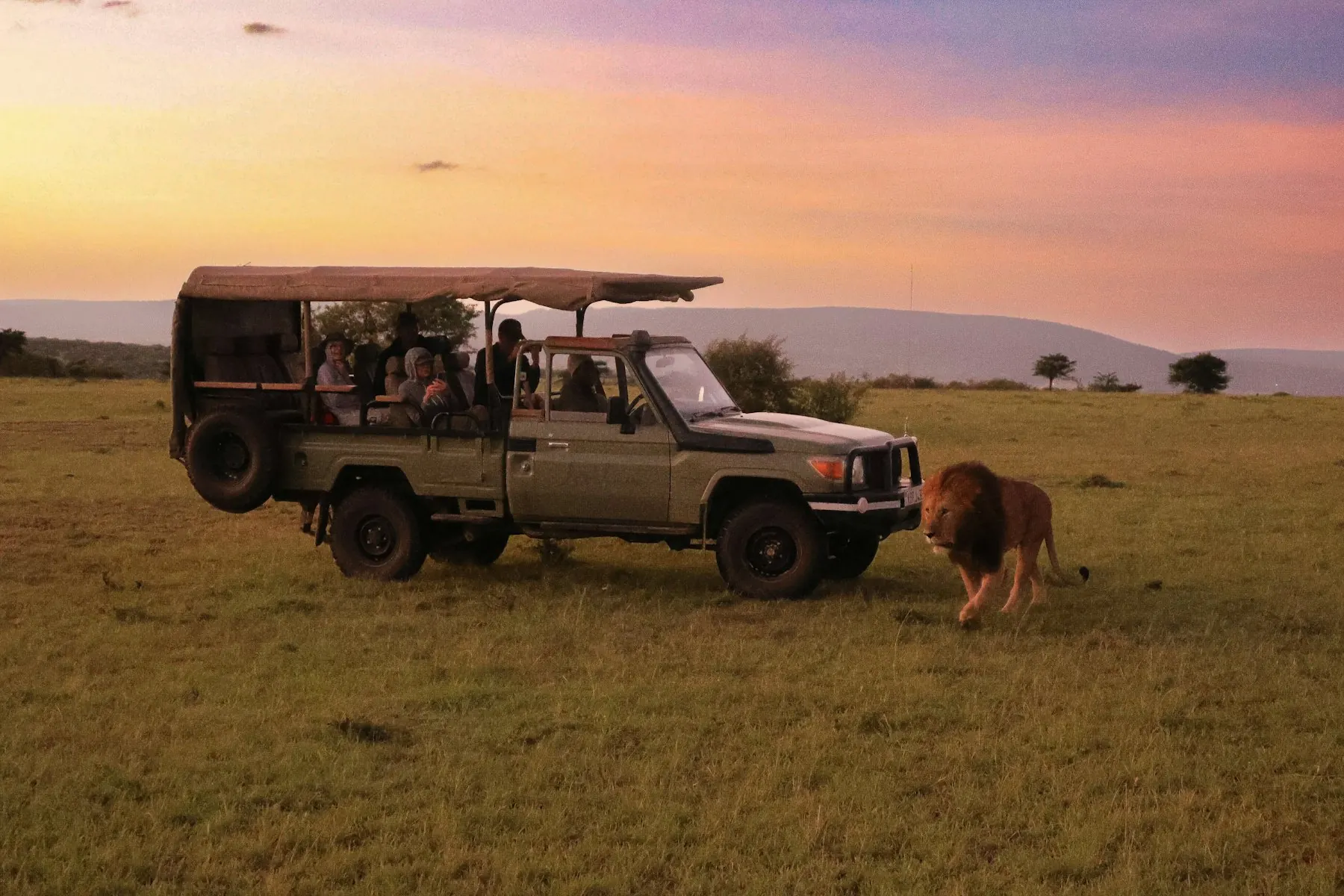
There is no legal minimum age for a Kenyan game drive, but many camps set their own, commonly six or eight, and some luxury tented camps set twelve. A private vehicle removes most of the friction, because there is nobody else's morning to disrupt.
Under five, a safari is possible but is mostly for the parents. From about six, children start tracking and spotting properly. From ten, they get very close to the adult experience, and teenagers with a camera are often the most engaged people in the vehicle.
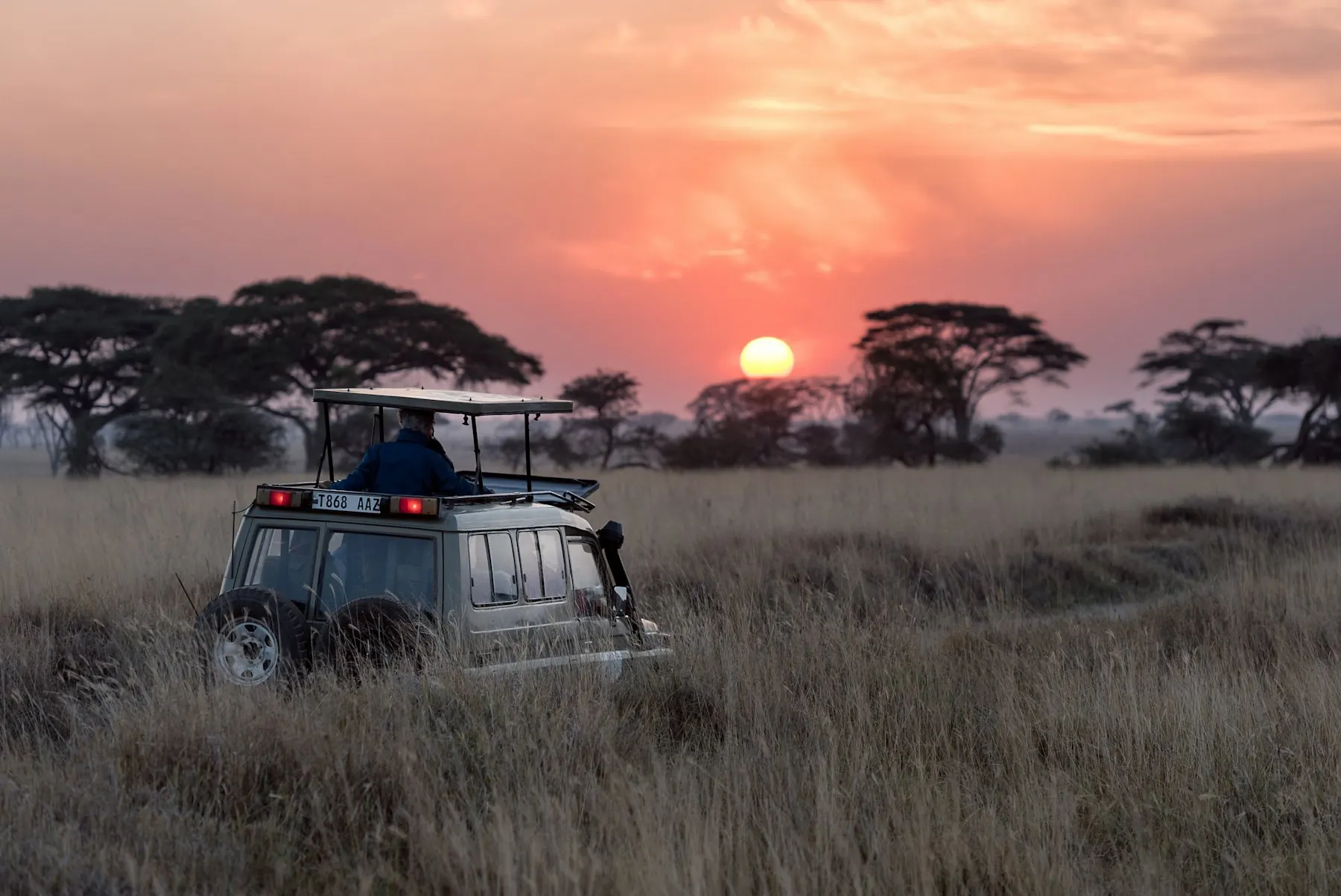
Take a private vehicle. This is not optional.
With a private vehicle you can turn back when a four-year-old has had enough, stop for a toilet break without apology, and cut a drive short without negotiating. On a shared vehicle you cannot do any of that, and the day becomes a management exercise.
Every safari we run is private for this reason, and with a family of four the per-person cost is usually lower than two adults travelling alone anyway.
Which parks suit children
Parks we would think twice about with small children are the ones with long distances between sightings, where a two-hour stretch without an animal is normal.
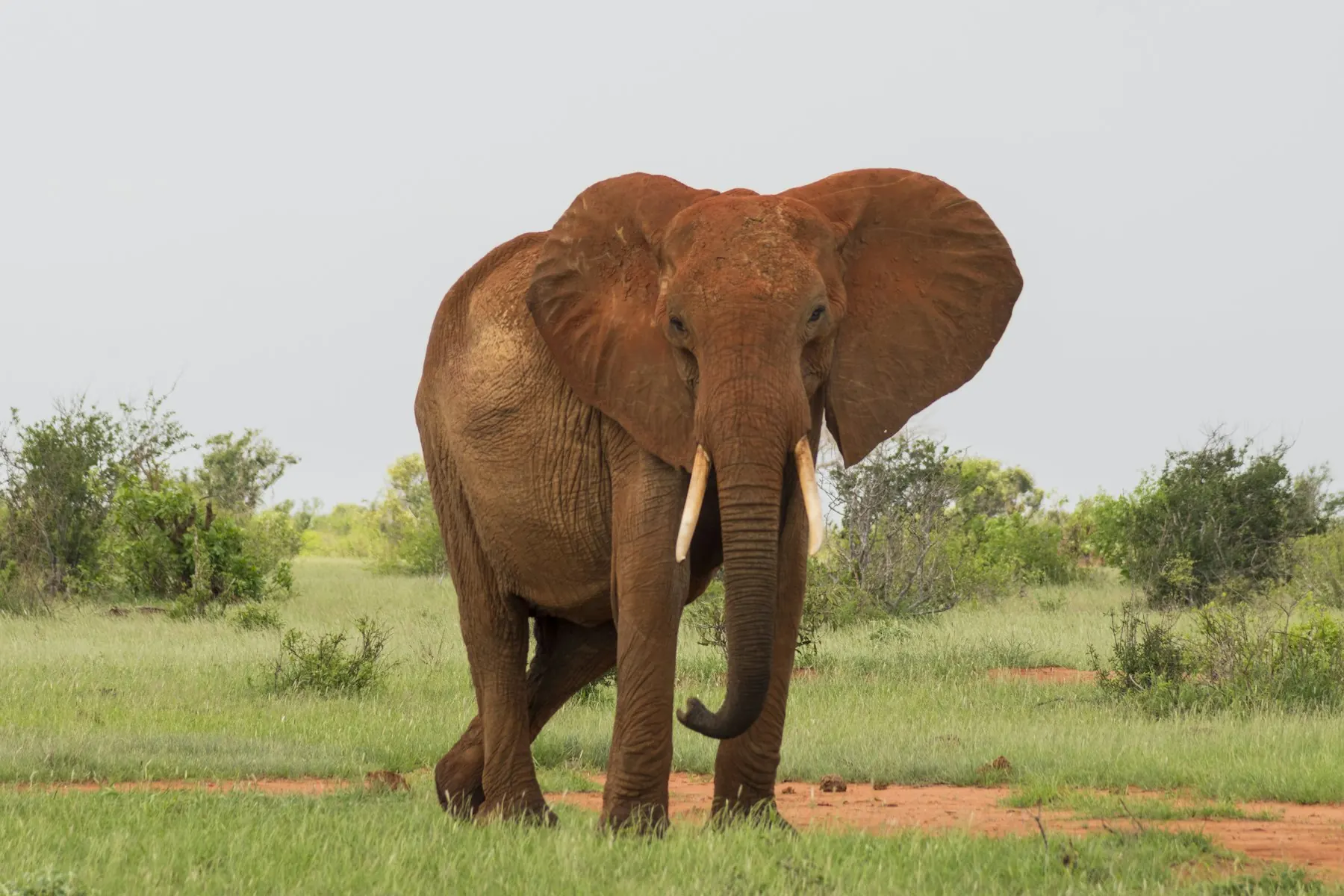
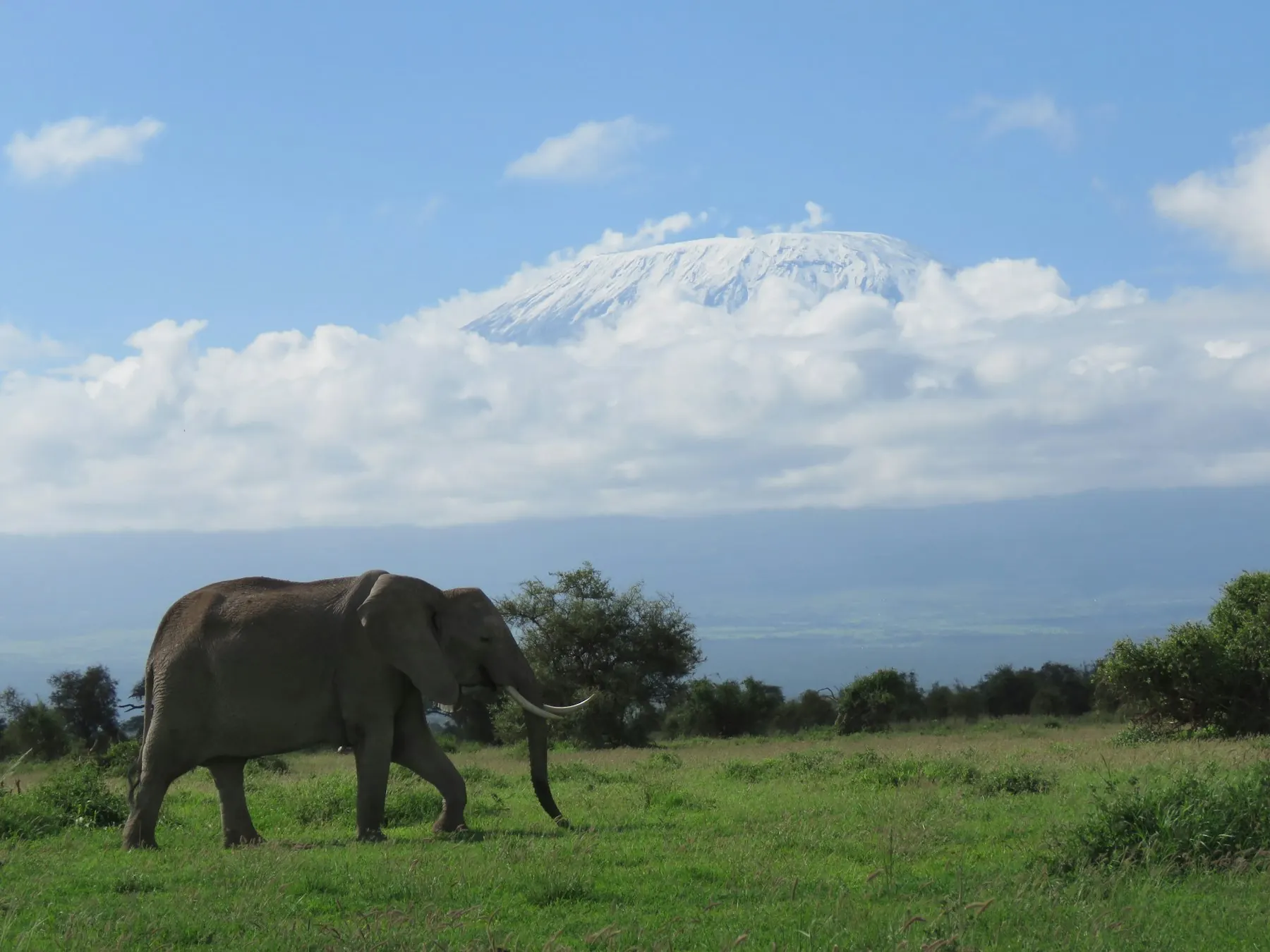
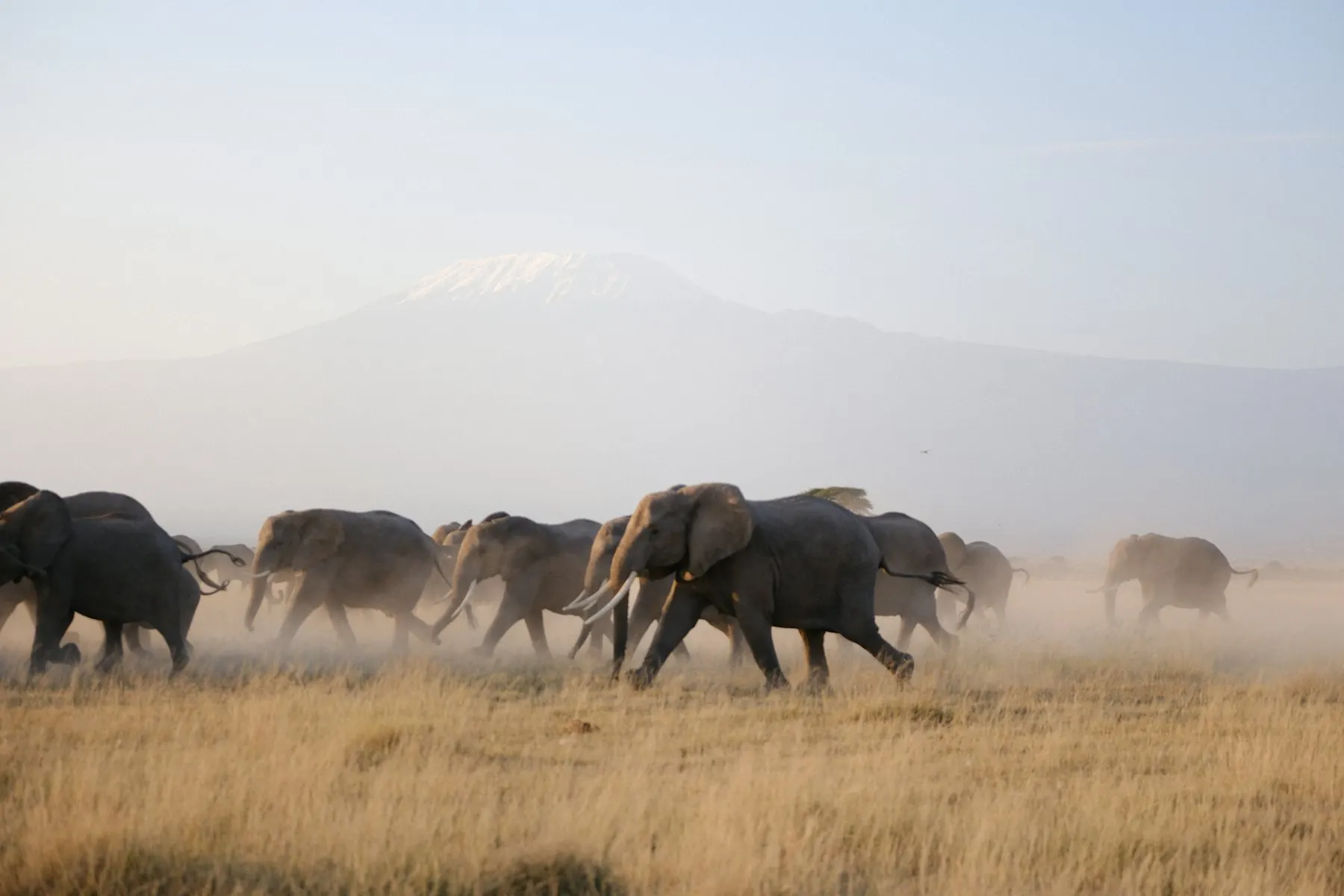
- Amboseli: elephants at close range in open country, short drives, and a mountain in the background. The best single park for young children.
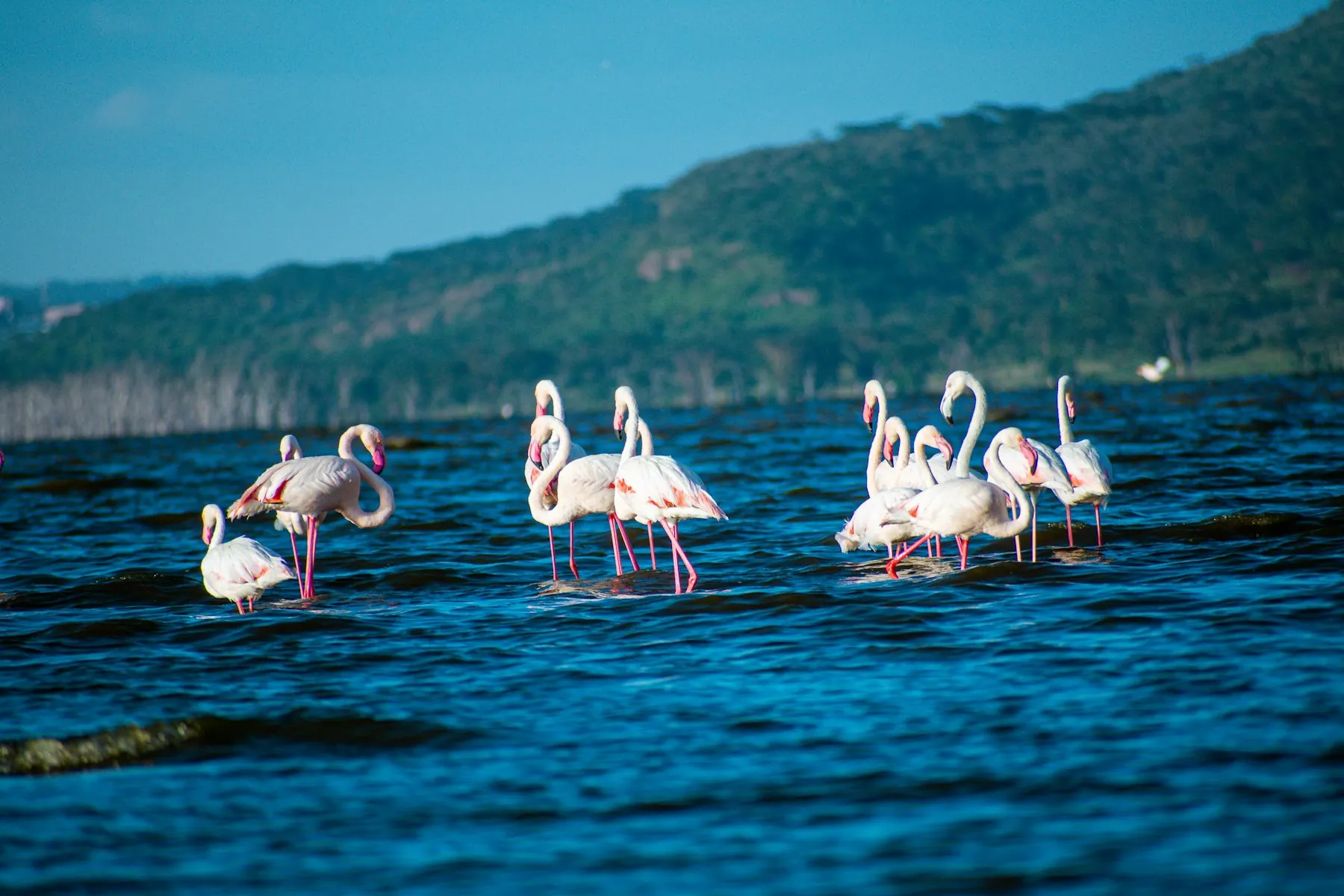
- Lake Nakuru: compact, easy to drive, rhino and flamingos, and a short day from Nairobi.
- Masai Mara: high animal density means less driving between sightings, and the conservancies allow activities the reserve does not.
- Ol Pejeta: a conservancy with a chimpanzee sanctuary and rhino, and genuinely interesting conservation work to explain.
- Nairobi National Park: an easy half-day at the start or end of a trip, useful for a first or last morning.
Keep the driving legs short
This is the thing that ruins family trips. A route that looks efficient on a map can involve a five-hour transfer, and a five-hour transfer with a seven-year-old is a wasted day for everybody.
We build family routes with no leg longer than about three hours, break the long ones with a stop that is worth stopping for, and use an internal flight where the drive would otherwise dominate the day. It costs a little more and it is the best money in the itinerary.
Nothing longer than three hours in the vehicle at a stretch. Fly the legs that would break that rule.
Lodges and rooms
Family rooms, interconnecting rooms and triples exist at most of the properties we use, but the good ones go early, so a family trip needs to be booked further ahead than a couple's trip.
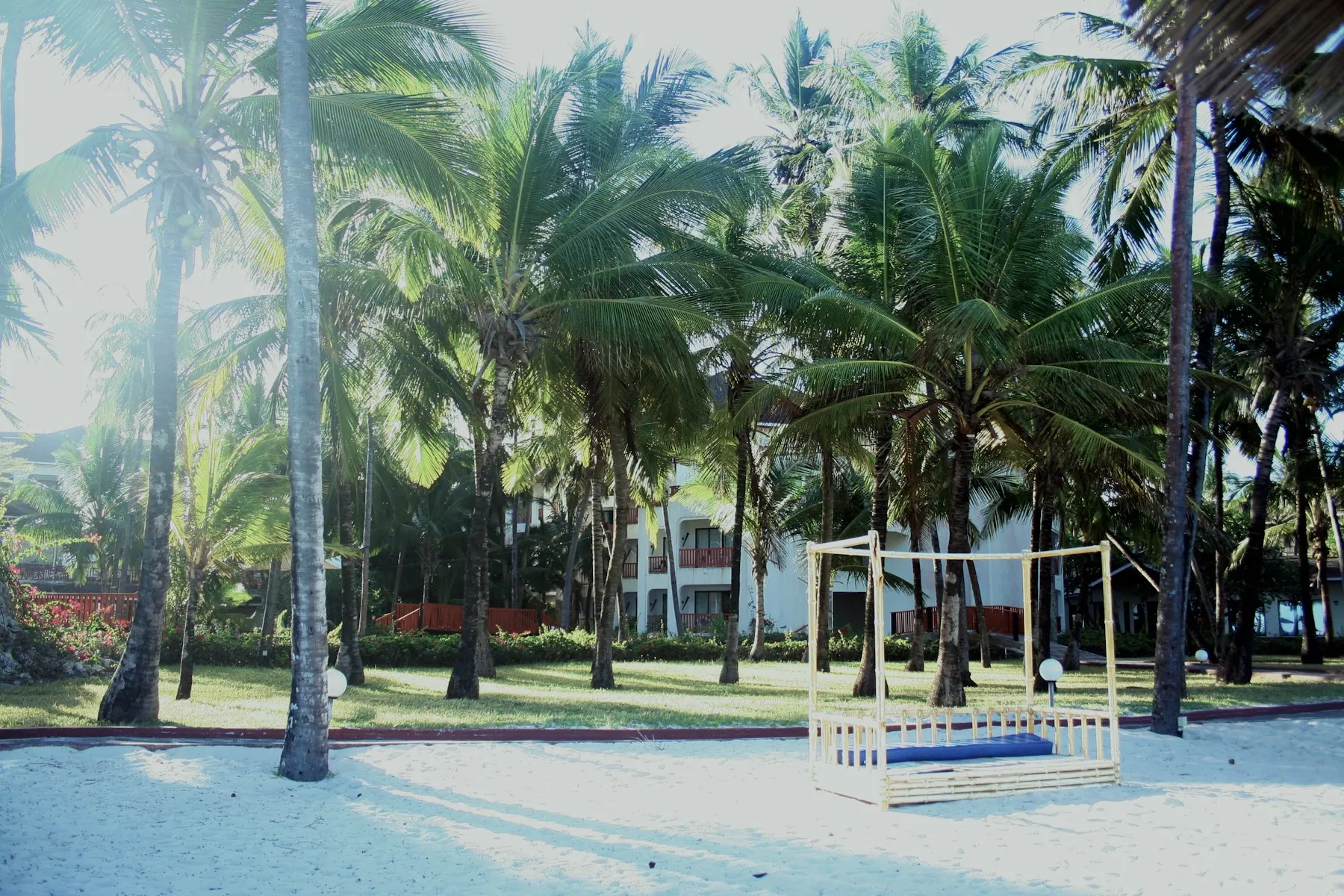
Look for a pool. The middle of the day is long and hot, and a pool converts the least interesting part of the day into the part your children remember. Some lodges also run junior ranger programmes, bush walks with a guide, or spoor-casting activities, which are worth more than they sound.
Health and practicalities
- Malaria prophylaxis is normally advised for safari areas and the coast. Options for children differ from adults, so speak to a travel clinic six to eight weeks ahead.
- Yellow fever requirements depend on where you are flying from. Check for each family member.
- Bring high-factor sunscreen, hats and insect repellent formulated for children.
- Travel insurance with medical evacuation cover, for everyone. Nairobi has excellent hospitals; the Mara is four hours from them by road.
- Car seats are not standard in safari vehicles. Tell us the ages and we will arrange what is needed.
Keeping them engaged
Give each child their own binoculars. Sharing does not work, and a child with binoculars is a child looking out of the vehicle rather than down at a screen.
A checklist works surprisingly well: the Big Five, then the harder list of smaller things, dik-dik, secretary bird, hyrax, mongoose. A cheap camera or an old phone for photographs turns a passive passenger into someone with a job.
And let a guide talk to them directly. Our guides are good with children and a nine-year-old asking why giraffes have black tongues will get a proper answer.
What it costs
Most lodges offer reduced child rates, commonly for under-twelves sharing with parents, and some park fees are lower for children. Set against that, a family needs a larger vehicle or more rooms.
In practice a family of four usually pays less per person than a couple travelling alone, because the vehicle and guide are shared across four rather than two. Tell us the ages when you enquire and the quote will reflect the child rates from the start.